Dorsoduro
Hotelsinvenice
Church of Salute Venice, also known as “La Salute,” stands as one of Venice’s most iconic…
Venice’s Symbol of Gratitude and Faith
Introduction
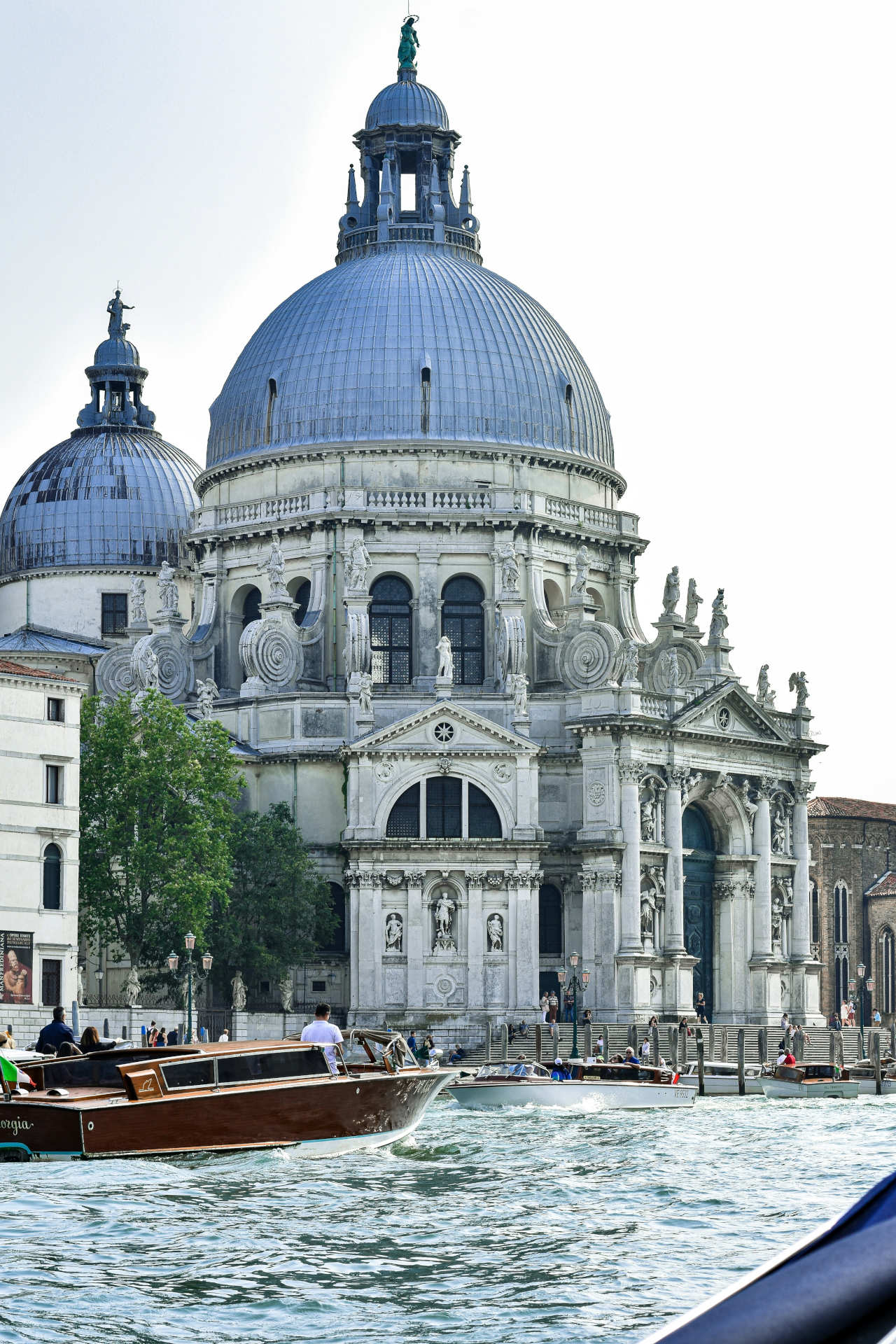
The Basilica di Santa Maria della Salute, also known simply as “La Salute,” stands as one of Venice’s most iconic religious structures. Located at the entrance of the
Grand Canal in the
Dorsoduro district,
this magnificent church is a beloved symbol of Venice and a testament to the city’s faith and resilience. Built to commemorate the end of a devastating plague in the 17th century, the basilica continues to captivate visitors with its stunning architecture, fascinating history, and spiritual significance.
Planning your visit? Check our guides on
where to stay in Venice and
how to reach La Salute by vaporetto.
Historical Background
The Basilica di Santa Maria della Salute was constructed following a particularly deadly plague that struck Venice in 1630. Seeking divine intervention, the Venetian Senate vowed to build a grand church dedicated to the Virgin Mary if she would rid the city of the plague. In 1631, renowned architect
Baldassare Longhena
was commissioned to design the basilica. Longhena, who was only 26 at the time, would devote most of his career to this masterpiece. Construction began in 1631 and was completed in 1687, long after Longhena’s death. This 56-year construction period resulted in one of the finest examples of
Venetian Baroque architecture.
Architecture and Design
The Basilica di Santa Maria della Salute is a brilliant example of Venetian Baroque architecture. Its grand octagonal design, majestic dome, and intricate exterior details make it a stunning sight to behold. The church’s structure is inspired by the symbolism of the Virgin Mary, with the large central dome representing her crown. Surrounding the dome are numerous statues of saints, angels, and the Virgin herself, watching over Venice and its lagoon.
The interior of the basilica is equally impressive, featuring a harmonious balance of art and architecture. The floor is laid with intricate marble inlays that form a variety of geometric patterns, reflecting the Baroque love for detail and movement. The high altar, dedicated to the Virgin Mary, is a masterpiece in itself, housing a miraculous Byzantine icon of the Madonna and Child, which is believed to have protective powers. Standing beneath the central dome and gazing upward is an experience that connects visitors to centuries of Venetian devotion and artistic excellence.
Artwork and Sculpture
The basilica is home to several works of art by some of Venice’s most famous artists, including
Titian
and
Tintoretto.
Among the notable works is Titian’s “Descent of the Holy Ghost,” which graces the sacristy. Other pieces include “Marriage at Cana” by Tintoretto and various works by Luca Giordano, enriching the basilica’s spiritual ambiance with artistic depth. These masterpieces make La Salute one of Venice’s most important repositories of Renaissance and Baroque art, rivaling institutions like the
Accademia Gallery.
In addition to paintings, the basilica is adorned with exquisite sculptures that add to its majestic atmosphere. Statues of saints and angels, meticulously crafted in marble, are strategically placed to guide the eyes of worshippers and visitors alike toward the central dome, symbolizing the connection between humanity and the divine.
Cultural Significance
La Salute is more than just a church; it is a cultural and spiritual landmark for Venetians. Every year on November 21st, Venetians celebrate the
Festa della Salute,
a festival marking the end of the 1630 plague. During this event, thousands of Venetians cross a temporary bridge over the
Grand Canal
to pay homage to the Virgin Mary, giving thanks for the city’s deliverance from the plague. This event draws both locals and tourists, emphasizing the basilica’s role in Venetian life and memory.
The basilica also serves as a beacon of hope and resilience, symbolizing Venice’s ability to overcome adversity. Its construction stands as a reminder of the strength and devotion of the Venetian people, who trusted in their faith even in the darkest of times. For contemporary visitors, it represents the city’s enduring cultural and spiritual identity.
Visitor Information
- Location: Dorsoduro, 1, 30123 Venice, Italy, at the entrance to the Grand Canal.
- Opening Hours: The basilica is open daily from 9:00 AM to 12:00 PM and from 3:00 PM to 5:30 PM.
- Entrance Fee: Entry to the main basilica is free, but a small fee is charged for access to the sacristy, where most of the art is housed.
To reach the Basilica di Santa Maria della Salute, visitors can take the
vaporetto (water bus)
to the Salute stop, which is directly adjacent to the church. For detailed routes and tickets, consult our
complete vaporetto guide.
Alternatively, visitors can enjoy a scenic walk from
St. Mark’s Square,
crossing the picturesque
Accademia Bridge,
which itself offers stunning views of the basilica and the lagoon.
Conclusion
The Basilica di Santa Maria della Salute remains one of Venice’s most treasured architectural and cultural gems. With its breathtaking architecture, rich history, and spiritual significance, La Salute offers visitors a unique glimpse into the heart and soul of Venice. Whether you are drawn to its art, inspired by its history, or simply in awe of its beauty, a visit to the Basilica di Santa Maria della Salute is an experience that will leave a lasting impression.
Extend your exploration: Combine your visit with nearby attractions like the
Basilica’s official site,
the Dorsoduro district (home to galleries and local restaurants), or take a
vaporetto tour of other Venetian islands.
Chiesa della Salute