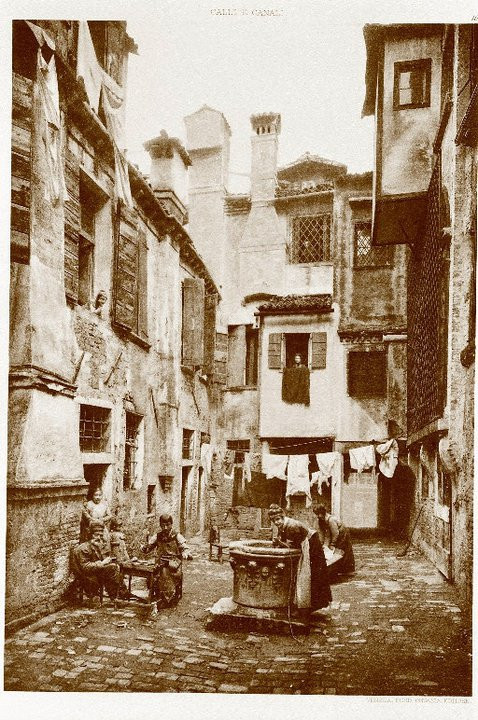
Castello

Castello
The sestiere (district) of Castello is one of the six historic districts in Venice, Italy, and it holds a unique place in the heart
of Venetian history and culture. Encompassing the eastern part of the city, Castello is the largest of Venice’s sestieri.
This district blends the grandiosity of Venice with its more tranquil and residential aspects, offering a multifaceted experience
of the city’s authentic life — different from the bustling
San Marco or Dorsoduro districts.
Castello is distinguished by its combination of impressive historical sites, lush green spaces,
and a genuine neighborhood feel, uncommon in the more tourist-centric districts. Here you’ll find world-renowned landmarks
like the
Basilica dei Santi Giovanni e Paolo, one of Venice’s most important churches, and the historic
Arsenal of Venice,
a former shipyard that shaped Venetian maritime power. The district also offers peaceful gardens and waterfront walks
along the lagoon edges.
Getting there: Reach Castello easily via ACTV vaporetto — check our
guide to vaporetto routes and tickets
for the best stops. If arriving from the airport, our airport transfer guide will help you reach this charming district efficiently.
Explore Castello: Compare it with other Venice’s six sestieri like Cannaregio and San Polo.
For the best experience, read our
guide on when to visit Venice and find accommodation options that suit your needs.
Explore Restaurants and Shopping in Venice’s Castello District
Authentic Food Experiences in Castello
Venice’s Castello district offers a wide range of restaurants and osterie,
from traditional Venetian trattorias to hidden gems that reinterpret classic Italian dishes with a modern touch.
The culinary scene here reflects Venice’s food heritage: fresh seafood, seasonal produce, and time-honored recipes
that define local cuisine. Many places preserve a strong sense of tradition and authenticity, where you can try
iconic dishes such as fegato alla veneziana (Venetian-style liver), bigoli in salsa,
and seafood risotto—often prepared following recipes passed down through generations.
Compared to the more tourist-heavy sestieri, Castello feels calmer and more residential, and you’ll often dine
alongside Venetians. Here, food is not only about quality—it’s also a way to step into a more authentic Venice,
enjoying lagoon flavors in a fascinating historic setting. Many restaurants work with local suppliers to guarantee
freshness and support regional traditions. From simple osterie to more refined dining, each option offers a journey
through Venetian tastes.
Top Restaurants in Castello
-
Osteria alla Tana – Known for its cozy atmosphere and traditional menu, Osteria alla Tana serves
classic Venetian dishes such as bigoli in salsa, cuttlefish in ink, and sarde in saor.
The space is small and intimate, so booking ahead is recommended. A great choice for discovering authentic Venetian flavors. -
Trattoria da Remigio – A family-run trattoria loved for its fresh fish, selected daily.
The menu changes with the catch of the day, featuring dishes like spaghetti with clams, mixed fried seafood,
and baccalà mantecato. Ideal for a genuine experience away from the busiest tourist flows. -
Ristorante Al Covo – An award-winning restaurant known for high-quality, sustainable ingredients.
Expect grilled fish, handmade pasta, and seasonal vegetables, with a focus on local products and updated takes on tradition.
Perfect for a more sophisticated dinner in an elegant setting. -
Osteria di Santa Marina – Set in a quiet square, this refined spot offers innovative Venetian cuisine,
with an elegant tasting menu that highlights lagoon flavors. Signature dishes may include risotto di go and a wide
selection of seafood appetizers—ideal for a special evening. -
Trattoria Dai Tosi – Great for a quick, satisfying meal, with generous pizzas and pasta in a simple style.
Informal and popular with both locals and visitors. -
Ristorante Antica Osteria al Ponte – A family-run restaurant offering approachable Venetian dishes,
with generous portions of pasta, risotto, and local fish. Relaxed atmosphere, often with lovely canal views. -
Bacaro Risorto – A classic Venetian bacaro, ideal for cicchetti (Venetian tapas) like crostini,
fried fish, and marinated vegetables, paired with a glass of prosecco or a spritz. -
Ai Nevodi – A modern osteria that combines Venetian flavors with contemporary presentation.
Expect creative seafood and pasta dishes, seasonal vegetables, and a strong wine list designed to match fresh ingredients.
Local Food Markets
If you want to discover local ingredients and shop like a Venetian, Castello’s markets (and nearby areas) are a must.
These markets are a cornerstone of everyday life and a reliable source of fresh, high-quality produce.
One of the most famous is the Rialto Market, just a short distance away, where you’ll find
fresh fish, seasonal vegetables, meats, and other local products. Farmers and fishermen sell their goods every morning,
offering an authentic experience for visitors who want to explore the region’s flavors.
Here you can pick up ingredients for local classics like baccalà mantecato or seafood risotto. Markets aren’t just
places to buy food—they’re a way to immerse yourself in Venetian life and chat with vendors, who are often happy to share
cooking tips and stories about their work.
Shopping in Castello
Castello is a real treat for shoppers looking for authentic artisan products, far from the typical tourist souvenirs.
The streets of this district feature shops selling Venetian masks, designer jewelry, and handcrafted glass items.
As you wander through Castello, you’ll discover unique pieces that reflect Venice’s rich history and artistic heritage.
From mask-makers’ studios to glass artisans, each workshop tells a different story and offers a glimpse into local traditions.
In many of these shops, artisans are happy to show their work and explain the traditional techniques they use.
Visiting Castello’s workshops is more than shopping—it’s an opportunity to connect with Venetian craftsmanship and bring home
something truly meaningful. The care and dedication behind these products make every purchase a lasting memory of Venice.
Artisan Shops and Boutiques
-
Ca’ Macana – One of the best-known Venetian mask workshops. Each mask is handmade using traditional techniques.
A must if you want a truly authentic piece of Venice. -
Gioielleria Eredi Jovon – A jewelry shop specializing in cameos and coral jewelry. Located near the Rialto area,
it offers unique pieces rooted in Venetian goldsmith tradition. -
Calle Mandola Handmade Glass – Specializes in Murano glass, offering high-quality decorative items and jewelry
handcrafted by skilled Venetian artisans. -
El Felze – Dedicated to gondola accessories and artisan items, celebrating Venetian traditions with unique,
historic-inspired pieces. -
Libreria Acqua Alta – Often considered Venice’s most photographed bookstore, famous for its quirky layout with
books stacked in boats and tubs to protect them from floods.
Shopping Tips for Castello
-
Shop early for unique finds: Many stores open in the morning, giving you a better chance to find authentic items
before the crowds arrive. - Check Murano glass authenticity: Look for the “Vetro Murano Artistico” mark to ensure your glass pieces are genuine.
-
Explore seasonal markets: During holidays and special periods, temporary markets in Castello may offer unique handmade
items and gifts.
Also, chatting with shop owners makes the experience more authentic, revealing local stories and cultural tips.
Exploring Castello’s streets is a chance to discover hidden corners and small boutiques that reflect the soul of Venice.
The Arsenale
The Venice Arsenale is a historic and vast complex in Venice, Italy, which played a crucial role in the naval and maritime prowess of the Venetian Republic. Its origins date back to the early 12th century, making it one of the earliest large-scale industrial enterprises in history. Located in the Castello district, the Arsenale was the heart of Venice’s naval industry, where ships were constructed, maintained, and stored.
Covering an area of about 45 hectares (over 110 acres), the Venice Arsenale was once the largest naval complex in Europe and a key to Venice’s power as a maritime republic. It was here that Venice built and outfitted its naval and merchant fleets. The facility was renowned for its efficiency; it was said to be capable of producing a ship a day due to its pioneering production-line methods.
The Arsenale’s architecture is notable for its grand gates and imposing walls, among which the most famous is the Renaissance-era Arsenale Gate, adorned with a marble lion taken from Greece and sculptures representing the power of the Venetian Republic. This gate serves as the main entrance to the complex and is an iconic symbol of Venice’s military and maritime heritage.
Today, the Venice Arsenale is no longer in use for shipbuilding but has found a new life as a cultural and exhibition space. It hosts major events, including the Venice Biennale, an international art and architecture exhibition that attracts visitors from all over the world. Parts of the Arsenale are also used by the Italian Navy, and some areas are open to the public, offering a glimpse into Venice’s storied naval history. The complex stands as a testament to Venice’s innovation in shipbuilding and naval organization, reflecting the city’s historical significance as a major maritime power.
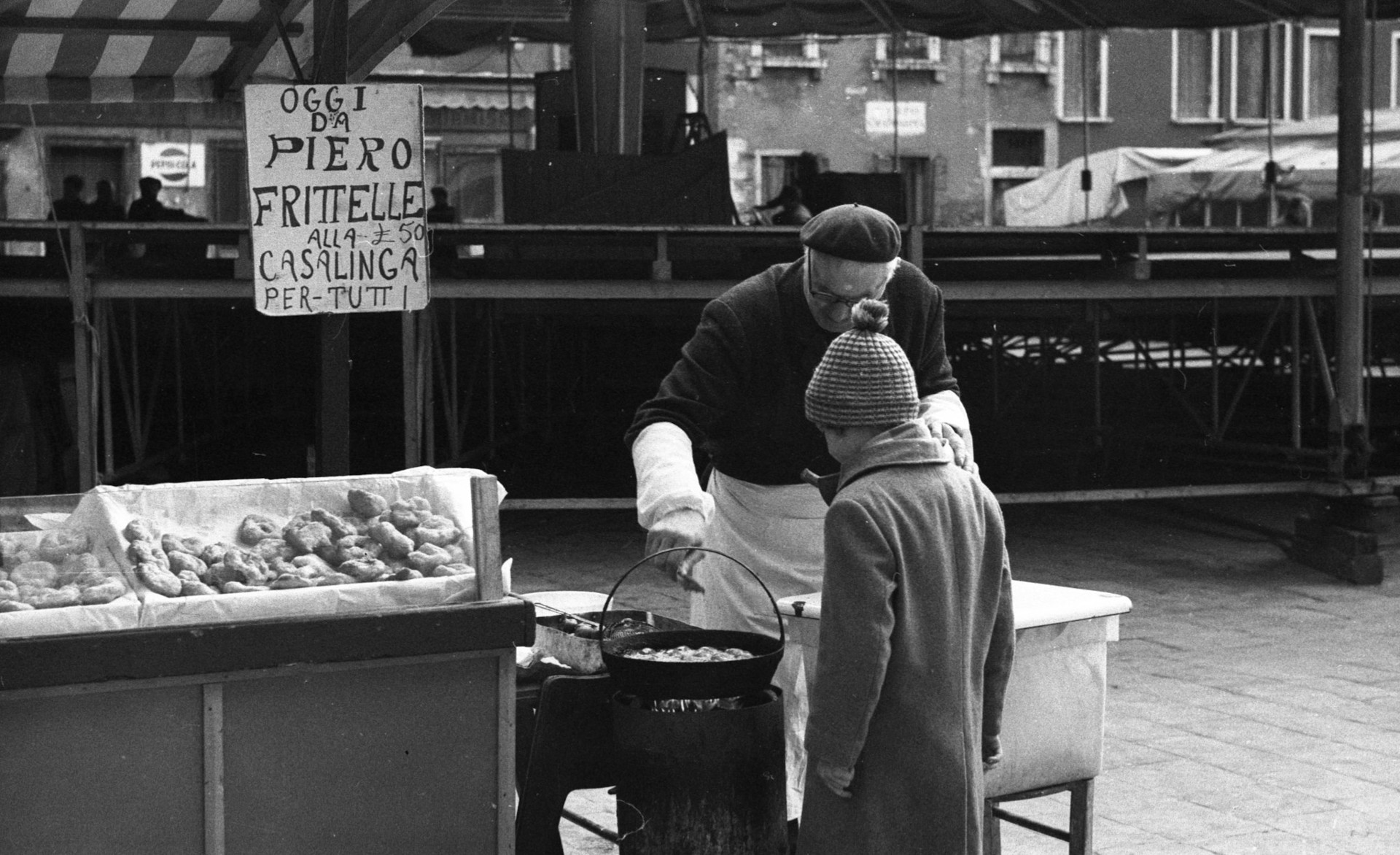
The Riva degli Schiavoni is a prominent waterfront area in Venice, Italy. It’s a wide promenade that stretches along the shore of the Venice lagoon, starting from the area near the Doge’s Palace and extending eastward. This promenade is named after the Slavonian merchants who were active in Venice during the city’s maritime trading heyday. “Riva” translates to “shore” or “bank” in English, indicating its location along the water’s edge.
The Riva degli Schiavoni is a bustling and lively area, popular with both tourists and locals. It’s lined with hotels, restaurants, cafes, and souvenir shops, offering stunning views of the Venetian lagoon and its islands. Visitors can enjoy a leisurely stroll, take in the scenic views, and watch the boats go by. The promenade also serves as a main embarkation point for vaporettos (water buses) and gondolas, making it a vital part of Venice’s transportation network.
Notable sights along the Riva degli Schiavoni include the Bridge of Sighs, visible from the promenade, and the historical buildings that line its path, many of which date back to the Venetian Republic. The area is also a popular spot for taking photographs, with its picturesque backdrop of the lagoon and the city’s iconic architecture.