Best Time to Visit Venice
Choosing the best time to visit Venice depends on what you are looking for:
pleasant weather, fewer crowds, special events, or lower accommodation prices.
Each season offers a different experience of the city.
Venice is beautiful all year round, but factors such as tourist density,
climate conditions, and local festivities can significantly affect your stay.
Understanding seasonal differences helps you plan a more enjoyable visit.
If you are organizing your trip and accommodation, you can explore our curated selection of
hotels in Venice for every season and travel style.
Venice by Season: What to Expect
Venice changes a lot throughout the year. Weather, daylight hours, and visitor numbers can make the same places feel
completely different from one season to another. Here is a practical overview to help you decide when to come.
Spring (March to May)
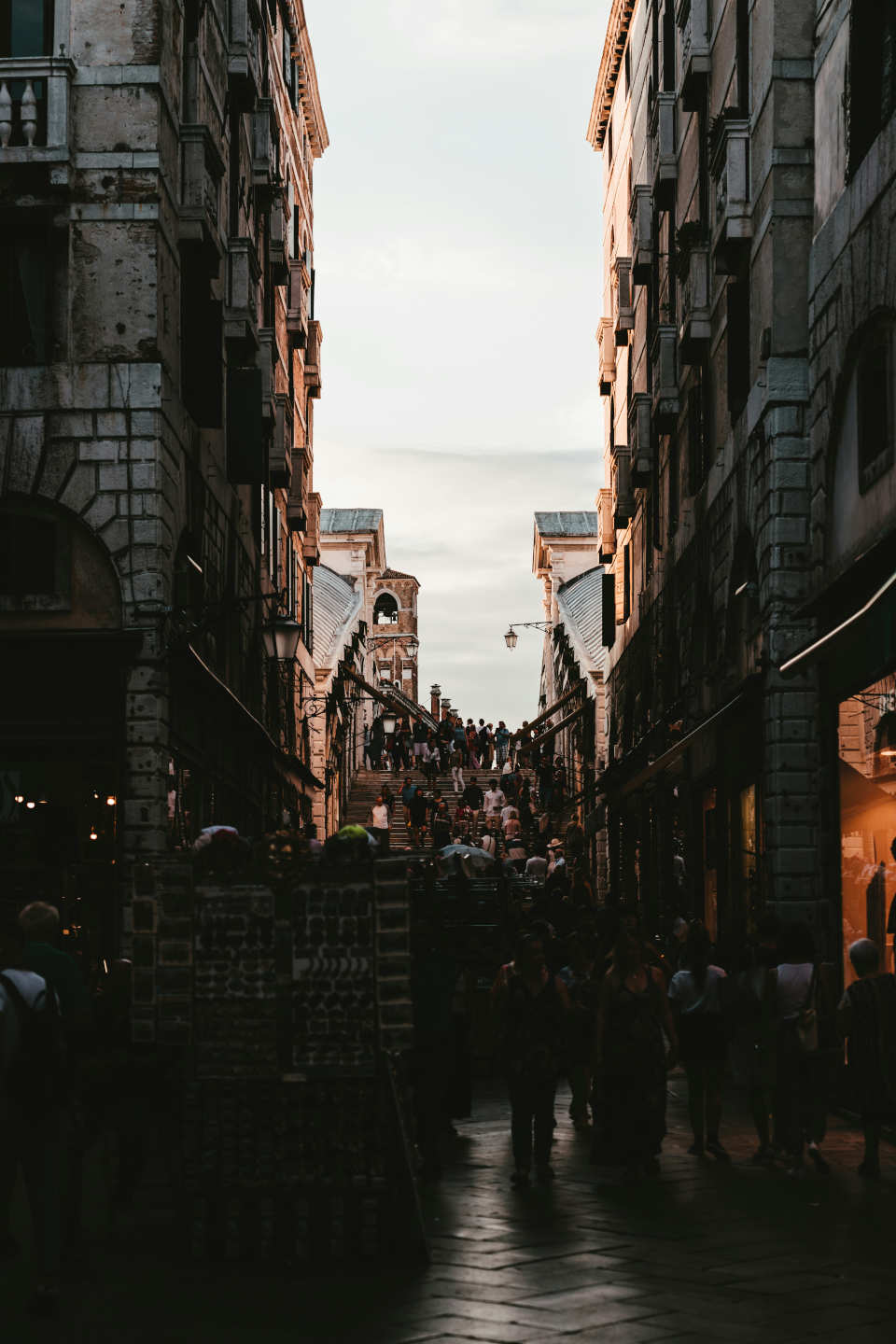
Spring is one of the most pleasant times to visit Venice. Temperatures are generally mild, the city feels lively,
and the light is perfect for photography. Crowds grow progressively, especially around Easter and late May.
Summer (June to August)
Summer is the busiest period, with long days and a packed calendar. Expect higher temperatures, more humidity,
and the largest crowds—especially around major attractions. Booking hotels and transport in advance is strongly recommended.
Autumn (September to November)
Early autumn is often a sweet spot: warm enough to enjoy walking, but usually less crowded than peak summer.
In late autumn the city becomes quieter, with a more authentic atmosphere and better availability for accommodation.
Winter (December to February)
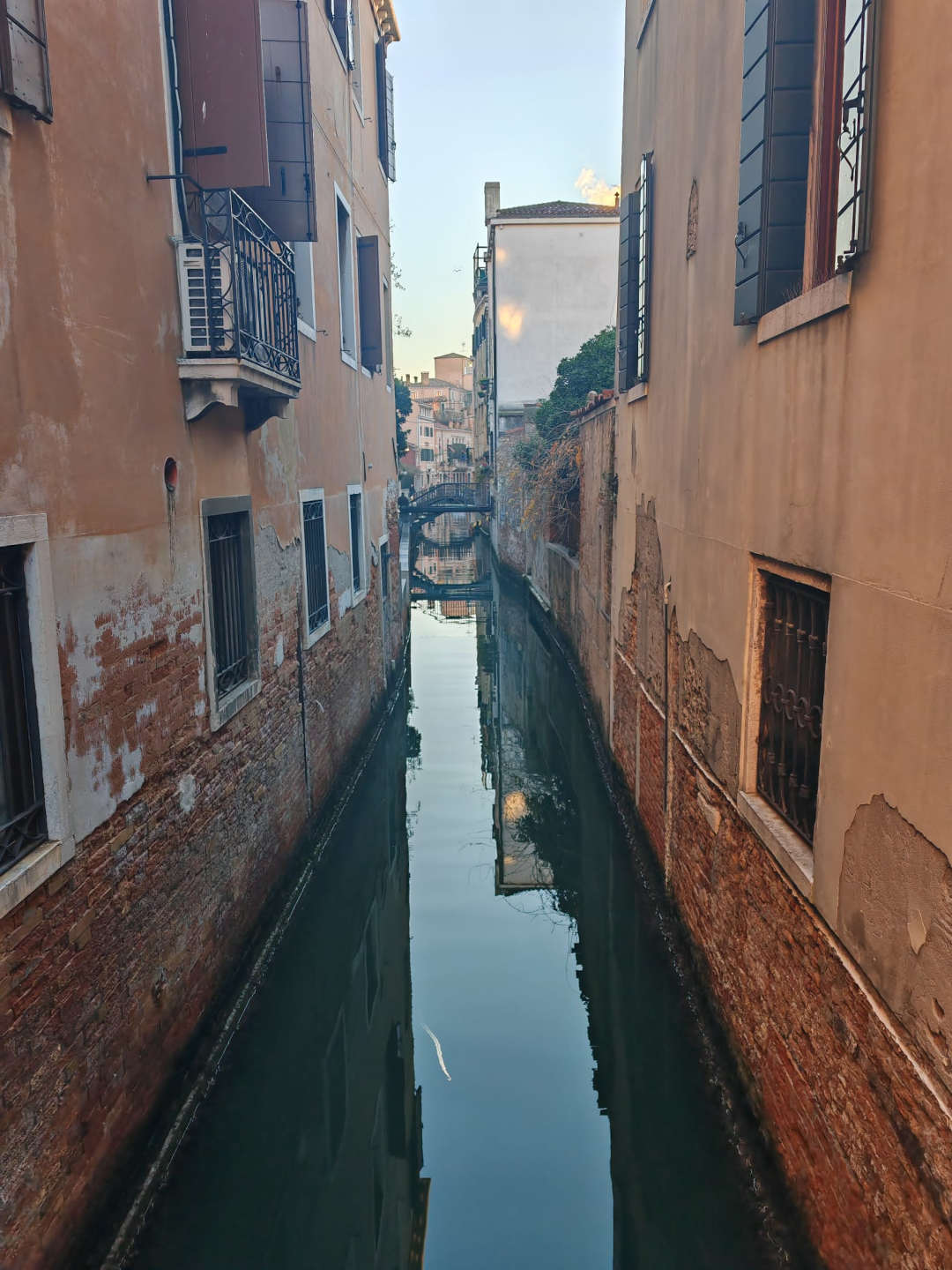
Winter can be an excellent choice if you prefer fewer tourists and a calmer Venice. Temperatures are lower,
daylight is shorter, and some days can be misty—creating a unique, cinematic mood.
The Carnival period (usually in February) brings crowds back for a short time.

Best Time to Visit Venice for Crowds, Prices, and Events
Beyond the weather, the best time to visit Venice also depends on crowd levels,
accommodation prices, and major local events. Planning around these factors can
make a significant difference to your overall experience.
For fewer crowds and better prices, late autumn and winter (excluding Carnival)
are usually the best periods. Hotels are easier to book, and popular attractions
can be enjoyed at a slower pace.
For festivals and cultural events, spring and early summer offer highlights such as
Easter celebrations, the Venice Biennale, and open-air events across the city.
These periods combine lively atmosphere with generally pleasant weather.
For a balanced experience, many travelers choose April–May or September–October,
when conditions are comfortable and Venice feels active without being overwhelming.
To find accommodation that matches the season you choose, visit our guide to
hotels in Venice and compare options across different areas of the city.